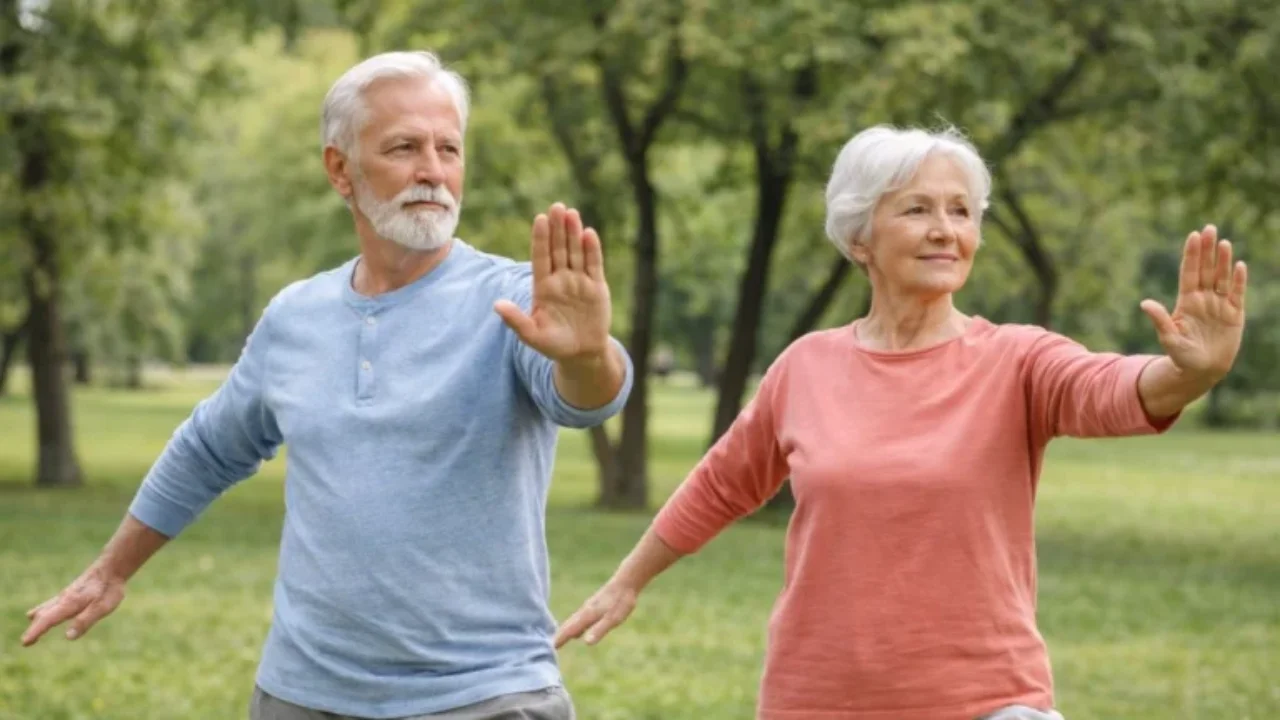
Best Exercise Routine After 70: Aging does not mean slowing down. In fact, the years after seventy can be some of the most active and fulfilling when movement is done the right way. Modern gerontology research shows that the secret is not simply walking every day or doing occasional gym workouts. The real shift comes from adopting the Best Exercise Routine After 70, a science backed approach that focuses on maintaining strength, mobility, and independence. The Best Exercise Routine After 70 is not about intensity but about smart movement patterns that support long term healthspan, balance, and confidence in daily life.
Many older adults believe gentle walking alone is enough, yet research now highlights the importance of power based movement. This method trains muscles to react quickly, helping with stability, faster walking speed, and fall prevention. When combined with simple aerobic activity and mobility work, this approach transforms daily function, energy, and independence. The goal is not just living longer but living stronger with better physical and mental well being.
Best Exercise Routine After 70
The Best Exercise Routine After 70 focuses on power training, safe strength work, and consistent movement throughout the week. Instead of slow repetitive exercises, gerontologists recommend quick controlled muscle actions such as fast sit to stands, step ups, and calf raises. These movements preserve fast twitch muscle fibers that decline rapidly with age and are essential for balance and reaction time. A complete routine also includes gentle aerobic activity like walking, flexibility training, and balance exercises. Performed three to four times weekly, this structured approach improves mobility, reduces fall risk, supports heart health, and enhances independence in everyday tasks while remaining safe and adaptable for different fitness levels.
Overview Table
| Key Element | Description |
| Core Focus | Power based movement training |
| Frequency | Three to four sessions per week |
| Main Goal | Improve mobility and independence |
| Muscle Target | Fast twitch muscle fibers |
| Key Exercises | Squats, step ups, calf raises |
| Safety Approach | Controlled, stable, low impact movements |
| Aerobic Support | Walking and light cardio |
| Health Benefit | Reduced fall risk and stronger balance |
| Longevity Impact | Improved healthspan and mobility |
| Adaptability | Suitable for home or gym |
The Health Benefits of Exercise in Older Adults
Exercise after seventy offers benefits that go far beyond physical strength. Regular movement supports independence, allowing older adults to perform everyday activities such as walking, dressing, and cooking without assistance. The Best Exercise Routine After 70 helps maintain bone density, reduces stiffness, and improves posture, which lowers the chance of falls and injuries.

Active seniors also experience improved heart health and better blood sugar regulation. Exercise stimulates endorphins, which boost mood, reduce stress, and improve sleep quality. Many studies show that consistent movement lowers the risk of chronic illnesses such as diabetes, heart disease, and osteoporosis. Brain health also improves, with research linking physical activity to stronger memory and reduced dementia risk.
The Best Exercises for Seniors
The Best Exercise Routine After 70 includes a combination of strength, balance, and gentle mobility work. Each exercise supports daily function and safety while improving endurance and flexibility.
Chair Yoga
Chair yoga is ideal for improving flexibility and joint comfort without strain. It enhances balance, posture, and muscle control while supporting mental relaxation and better sleep.
Cycling
Cycling provides a safe cardiovascular workout that is gentle on joints. It strengthens leg muscles, improves heart health, and boosts endurance. Stationary bikes offer additional support for stability.

Pilates
Pilates strengthens the core, improves posture, and enhances balance. It promotes controlled breathing and body alignment, helping older adults maintain stability and prevent falls.
Strength Training
Strength training maintains muscle mass and bone density. Light weights or resistance bands improve joint support, mobility, and overall body strength, which are essential parts of the Best Exercise Routine After 70.
Swimming and Water Aerobics
Water based exercise reduces pressure on joints while building strength and flexibility. It supports full body movement and improves cardiovascular fitness with minimal risk.
Tai Chi
Tai Chi enhances balance, coordination, and mental calmness through slow controlled movements. It is widely recommended for fall prevention and joint health.

Walking
Walking remains an essential aerobic activity. It supports heart health, improves circulation, and strengthens muscles. Combined with power based movement, walking becomes even more effective for longevity.
Exercises Seniors Should Avoid
Some exercises can place unnecessary strain on aging joints and muscles. High impact and heavy load workouts may increase injury risk. Activities such as intense interval training, heavy bench presses, long distance running, and heavy deadlifts may not be suitable for many older adults. The Best Exercise Routine After 70 focuses on safety, controlled motion, and gradual progression rather than high intensity performance.
Why Power Training Matters After 70
Power declines faster than strength with age, which directly affects reaction time and balance. Power training teaches muscles to contract quickly, improving stability and walking speed. Movements like fast sit to stands, gentle weighted walking, and quick step ups strengthen neuromuscular coordination. This is a central pillar of the Best Exercise Routine After 70 and a major factor in fall prevention and functional independence.
How to Build a Safe Weekly Routine
A balanced weekly plan includes three to four structured sessions combining power exercises, light strength work, and balance training. Daily walking or gentle movement maintains cardiovascular health. Rest and recovery are equally important to allow muscles to rebuild and prevent fatigue. Hydration and proper nutrition enhance performance and muscle preservation, reinforcing the benefits of the Best Exercise Routine After 70.

Mental and Emotional Benefits of Staying Active
Movement supports emotional well being and mental clarity. Regular exercise improves mood, reduces anxiety, and enhances confidence. Many older adults report better sleep and increased energy after adopting the Best Exercise Routine After 70. Physical activity also promotes social interaction and a sense of independence, which are essential for overall life satisfaction.
FAQs
1. What is the Best Exercise Routine After 70 for beginners
Start with gentle walking, chair based exercises, and simple sit to stand movements. Gradually include strength and balance training three times weekly.
2. How often should seniors exercise after seventy
Most experts recommend three to four structured sessions weekly combined with light daily movement such as walking.
3. Is walking enough for fitness after seventy
Walking supports heart health, but combining it with strength and power exercises provides better mobility and fall prevention.

4. Can exercise improve balance in older adults
Yes. Power training, Tai Chi, and strength exercises significantly improve balance and reduce fall risk.
5. Is power training safe for seniors
When done with controlled movements and proper guidance, power training is safe and highly beneficial for mobility and independence.