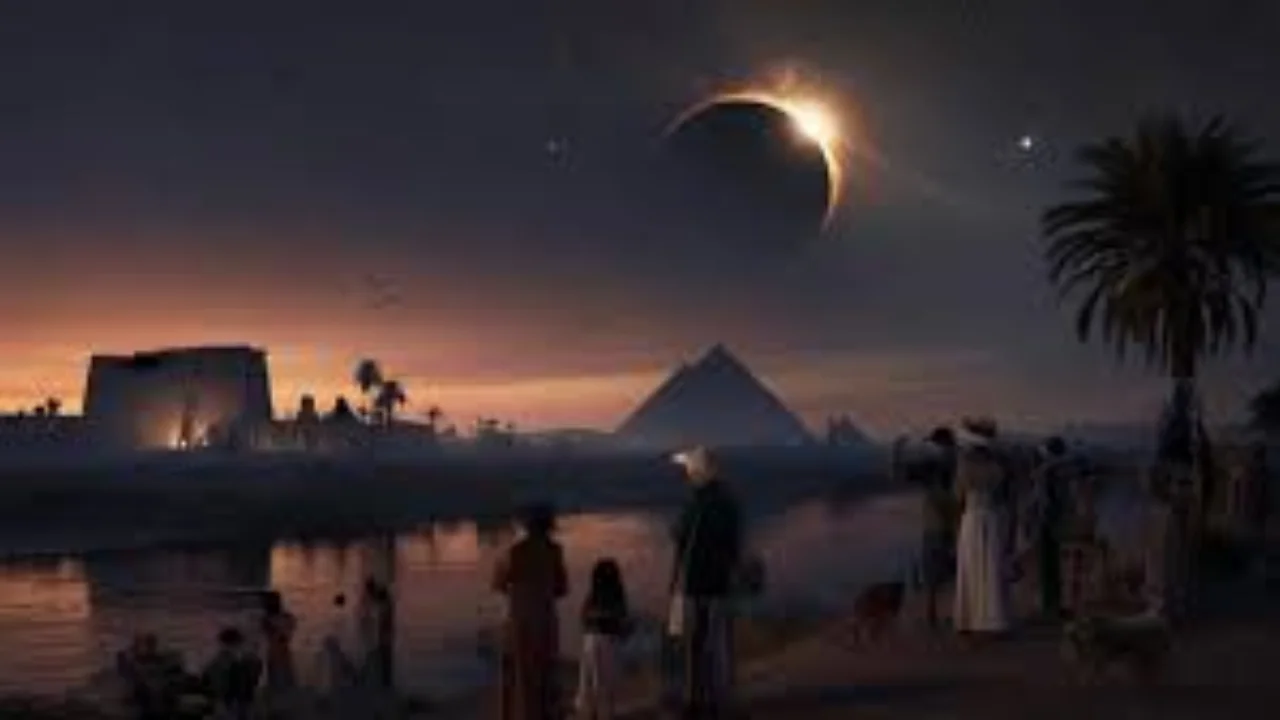
Longest Total Solar Eclipse: The longest total solar eclipse of the century is coming, and it is not just for space lovers. This rare and powerful event is something anyone can appreciate. Imagine standing outside in the middle of the day and watching as sunlight fades, shadows shift, and stars suddenly appear. For over seven unforgettable minutes, the sky will go dark, the air will cool, and everything around you will pause. That is the magic of a total solar eclipse—and this one will be the longest you will ever see.
What makes the longest total solar eclipse so special is not just its record-breaking duration, but the emotion and wonder it brings. In this article, we will walk through why this eclipse matters, what to expect, and how to prepare for it. You will find real tips, not just science talk, and insights into why this is more than just an event in the sky. It is a moment to remember.
Longest Total Solar Eclipse of the Century
Set for February 2026, the longest total solar eclipse will offer up to 7 minutes and 10 seconds of total darkness in some parts of the world. That is more than double the duration of most solar eclipses. This happens because the Moon will be at just the right distance from Earth to appear slightly larger than the Sun, covering it completely and turning daytime into a deep twilight.

This eclipse will travel across continents, offering millions the chance to witness one of nature’s most powerful events. During this brief time, the sky will change in color, animals will act strangely, and a rare sense of stillness will cover the land. It is not just about the science. It is about how it makes people feel. From silence to shared awe, the longest total solar eclipse will be a once-in-a-lifetime experience.
Overview Table
| Aspect | Details |
| Event Type | Total Solar Eclipse |
| Duration of Totality | Up to 7 minutes and 10 seconds |
| Date of Eclipse | February 2026 |
| Best Visibility | Areas along the path of totality |
| Light Experience | Daylight shifts to eerie twilight |
| Temperature Drop | Can fall by 10 degrees or more |
| Animal Reactions | Wildlife may go quiet or behave unusually |
| Human Experience | Emotional, unifying, and awe-inspiring |
| Scientific Importance | Rare chance to study the Sun’s corona |
| Viewing Tips | Clear skies, proper glasses, and early planning |
When the Sun Blinks and the World Goes Quiet
There is nothing normal about seeing the Sun vanish in the middle of the day. As the Moon slowly covers it, the light turns sharper and colder. Shadows become oddly shaped. Then comes a moment of silence. Birds stop singing. People stop speaking. Even the air feels different.
This pause is called totality, and during the longest total solar eclipse, it lasts longer than usual. Many first-time viewers describe it as life-changing. The stillness, the darkness, and the sudden appearance of stars in the afternoon sky can bring up all kinds of emotions. It is a natural reminder of how small we are and how beautiful our world can be.

How to Actually Experience It, Not Just Watch It
To fully feel the eclipse, you need more than just your eyes. First, pick your viewing spot early. The path of totality is limited, and being just a few miles off can make the difference between full darkness and partial shadow. Use up-to-date eclipse maps and double-check weather forecasts before traveling.
Bring ISO-certified eclipse glasses—do not settle for cheap knock-offs. You will also want a chair, snacks, water, and something warm to wear, as it gets surprisingly chilly. Most importantly, when the eclipse begins, put the camera down. Watch the sky change. Feel the temperature drop. Notice how others around you react. That is how you turn watching into experiencing.
What This Eclipse Might Change in Us
A total solar eclipse is more than a science event. It is a shared pause in time. Across the world, people stop what they are doing and look up. There is something deeply human about that. No matter your age, background, or beliefs, the sky connects us all.

This particular eclipse, with its extended duration, gives us more time to reflect and feel. Families will make memories. Friends will bond. Strangers might share glasses or stories. These are the kind of moments that stick with you—not just because of what you saw, but because of how it made you feel. That is the true power of the longest total solar eclipse.
The Strange Psychology of Sudden Daytime Night
Your brain is not used to seeing darkness during the day. That is why a total eclipse feels so strange and unforgettable. The moment the light fades, your senses wake up. You notice the cool air. You hear the wind. You see stars and planets where the Sun should be.
Around you, animals react too. Crickets may start chirping. Birds might go silent or fly to their nests. Even your pet could act confused. During the longest total solar eclipse, this feeling of sudden night is stretched out, giving you more time to observe and feel every second of the transition. It is unlike anything else.

Tips to Prepare for the Eclipse
- Find your location early. Choose a spot directly in the path of totality.
- Check the weather. Clear skies make all the difference.
- Get the right glasses. Only ISO-certified eclipse glasses protect your eyes.
- Pack wisely. Bring water, snacks, warm clothing, and a chair.
- Be in the moment. Watch with your eyes, not just through a lens.
FAQs
How long does the eclipse last in totality?
The total eclipse can last up to 7 minutes and 10 seconds in certain locations, which makes it the longest one of this century.
Is it safe to look at the eclipse with regular sunglasses?
No. You need ISO-certified eclipse glasses to view the eclipse safely before and after totality. Only during totality can you look without protection.
Where should I go to get the best view?
Try to be as close to the center of the path of totality as possible, in a place with a high chance of clear skies.

Do I need a telescope or special gear?
Not at all. A clear view of the sky, eclipse glasses, and a little planning are all you need to enjoy the experience.
What are the signs that totality is about to begin?
You will notice strange shadows, a drop in temperature, changes in wildlife behavior, and a fast dimming of the sky right before totality.